
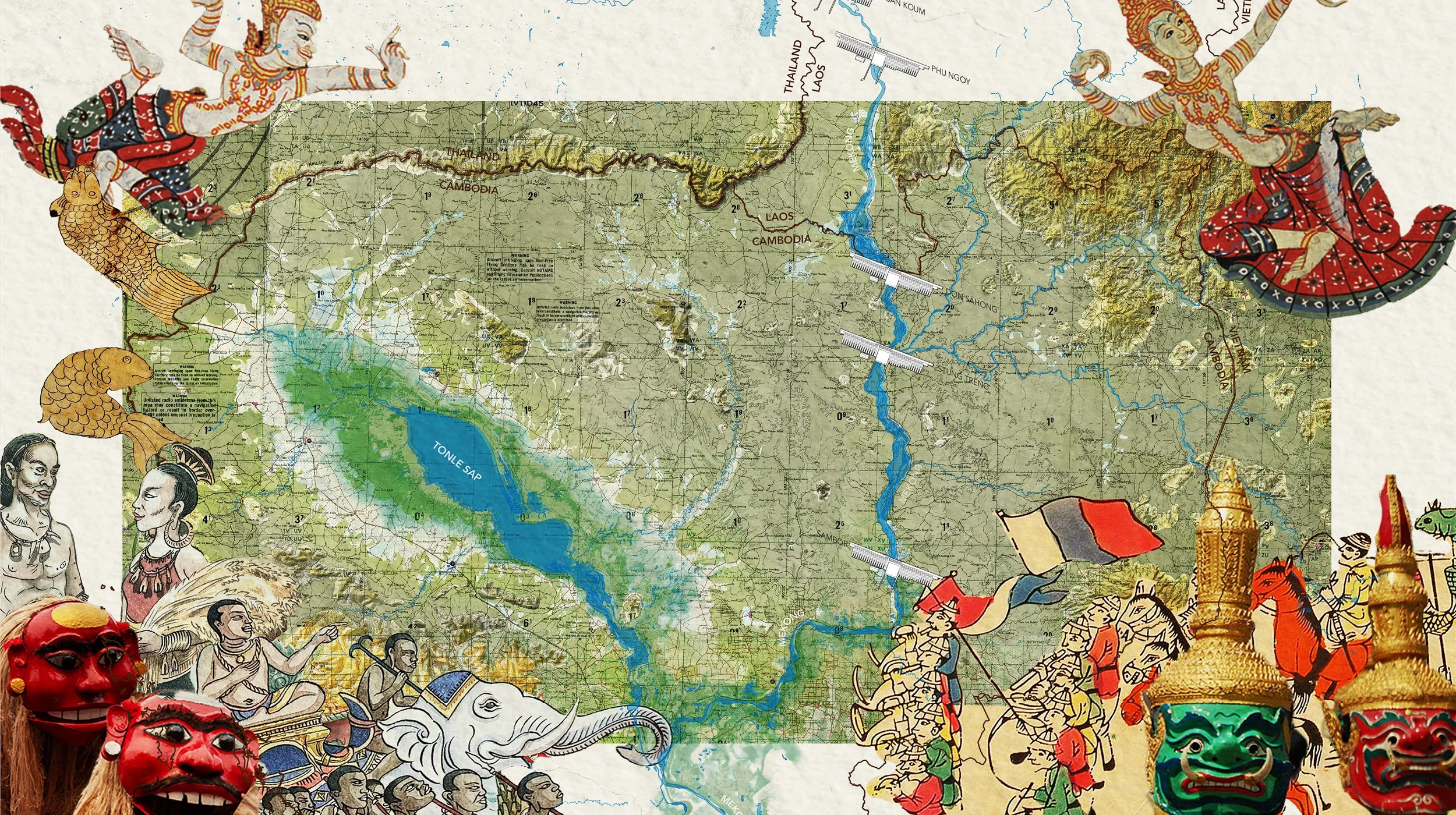
SHARED WATERS, DIVIDED LANDSCAPES
“Telling stories of landscape requires getting to know the inhabitants of the landscape, human and not human. This is not easy, and it makes sense to me to use all the learning practices I can think of, including our combined forms of mindfulness, myths and tales, livelihood practices, archives, scientific reports, and experiments.”
Anna Tsing, 2015
Research | Lower Mekong Basin
Shared Waters, Divided Landscapes is an ongoing design research project tracing the Mekong River as both a living ecological system and a contested political landscape. Flowing 4,630 kilometers through China, Myanmar, Laos, Thailand, Cambodia, and Vietnam, the Mekong carries sediment, fish, rituals, labor, myths, and memories across vast territories for millennia. These days its shared waters are increasingly divided by dams, embankments, sluice gates, development corridors, and fragmented systems of governance.
Through fieldwork, interviews, archival research, photography, writing, and drawing, this project examines how large-scale infrastructure has transformed the river’s flood pulse, fisheries, sediment flows, and landscapes. It looks closely at everyday practices of negotiation: community-managed conservation zones, spontaneous unplanned riverbank gardens along recently built embankments, Khmer temple ponds and distributed water storage system on the coastal dune belt of the delta, and cross-border fishing agreements where the Mekong acts as the border between Thailand and Laos.
The project argues for seeing the Mekong as a shifting assemblage of human and more-than-human whose futures must be continually negotiated and asks how we might move beyond totalizing visions of control toward more attentive, decentralized, and culturally grounded forms of stewardship.
Supported by UPenn Ian L. McHarg Center for Urbanism and Ecology (2025-2026)
Read more about the this project at the Shared Waters, Divided Landscapes Fieldwork Blog
Watch the full presentation at University of Pennsylvania Weitzman School of Design HERE
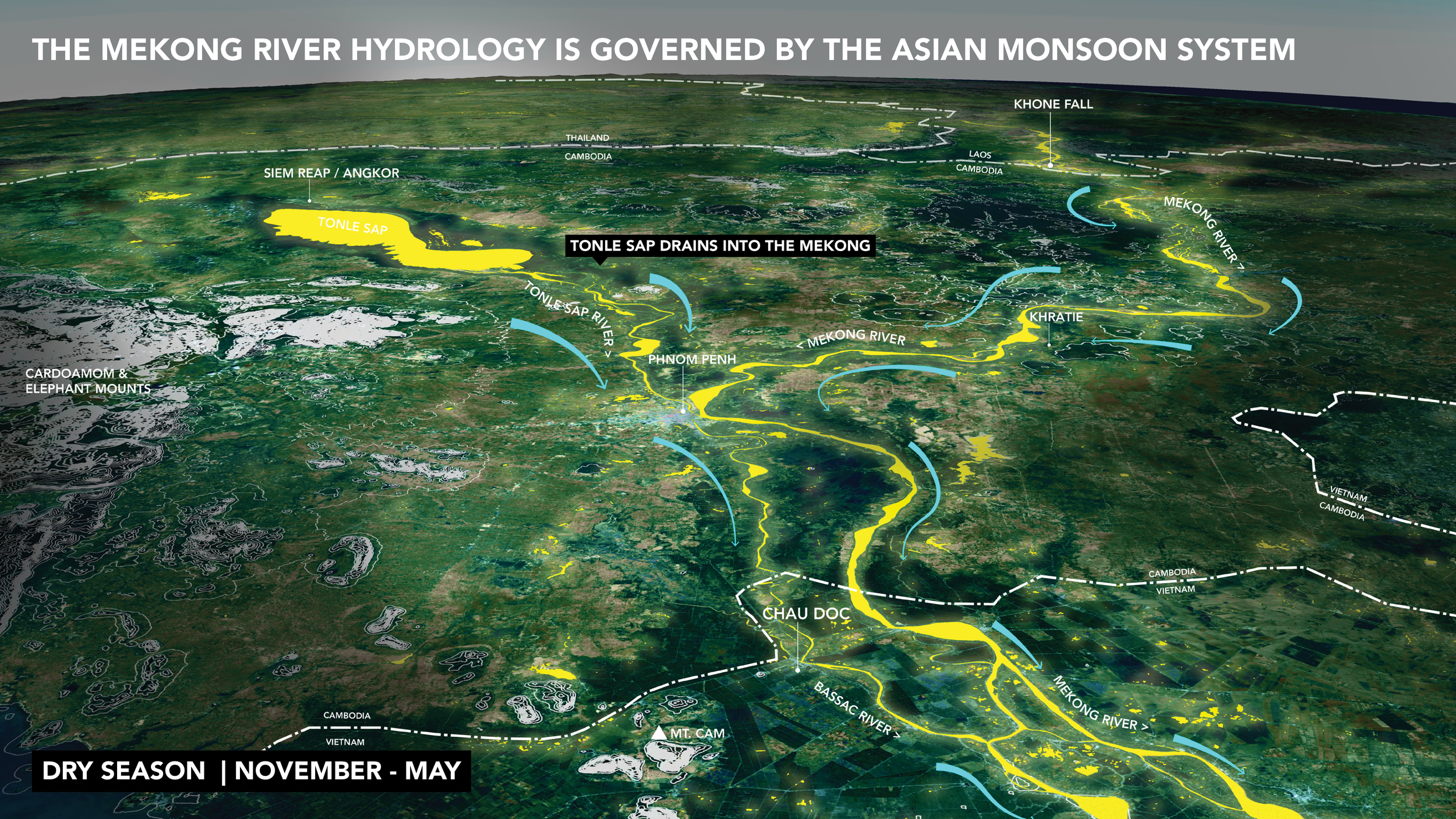
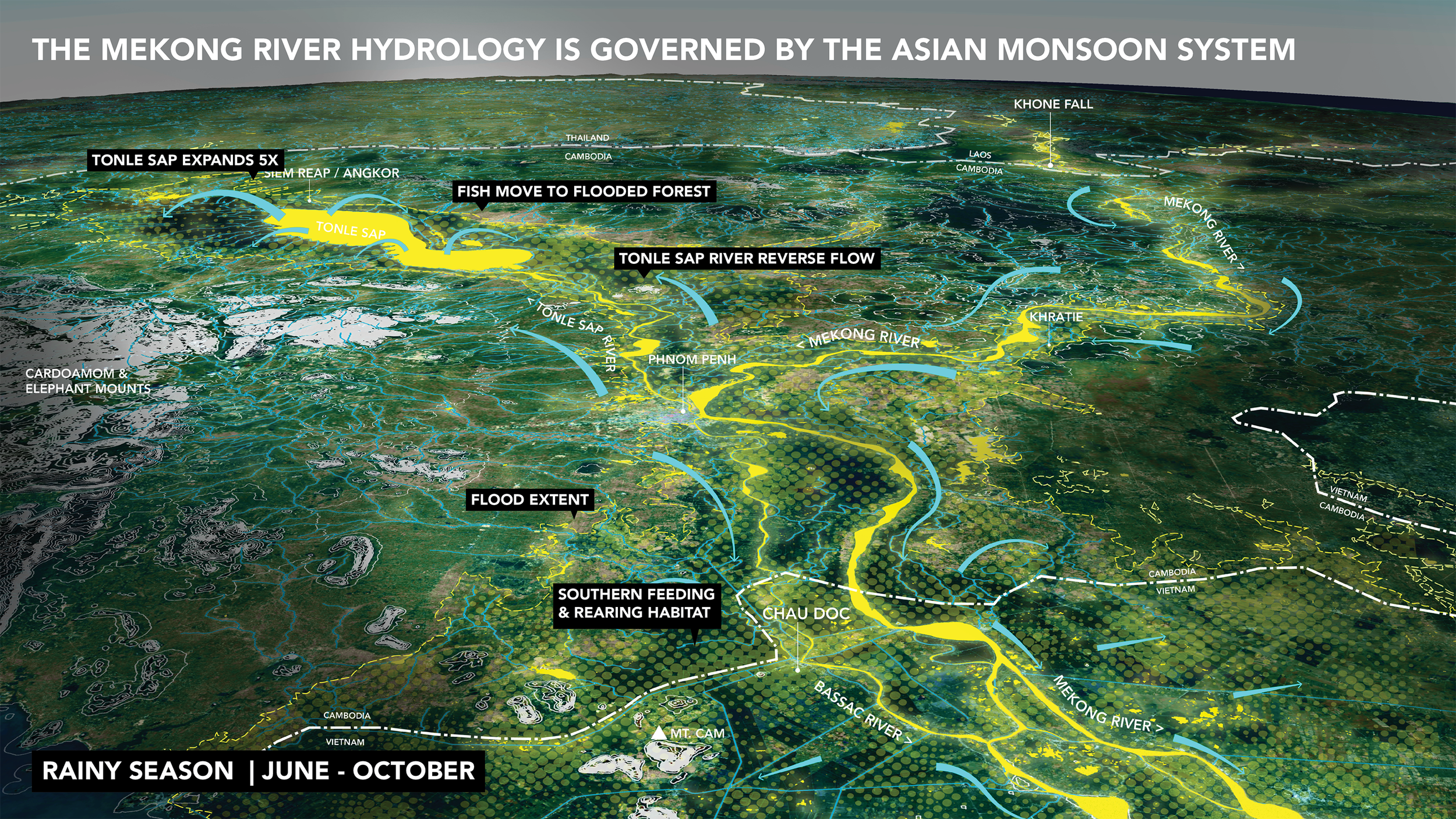
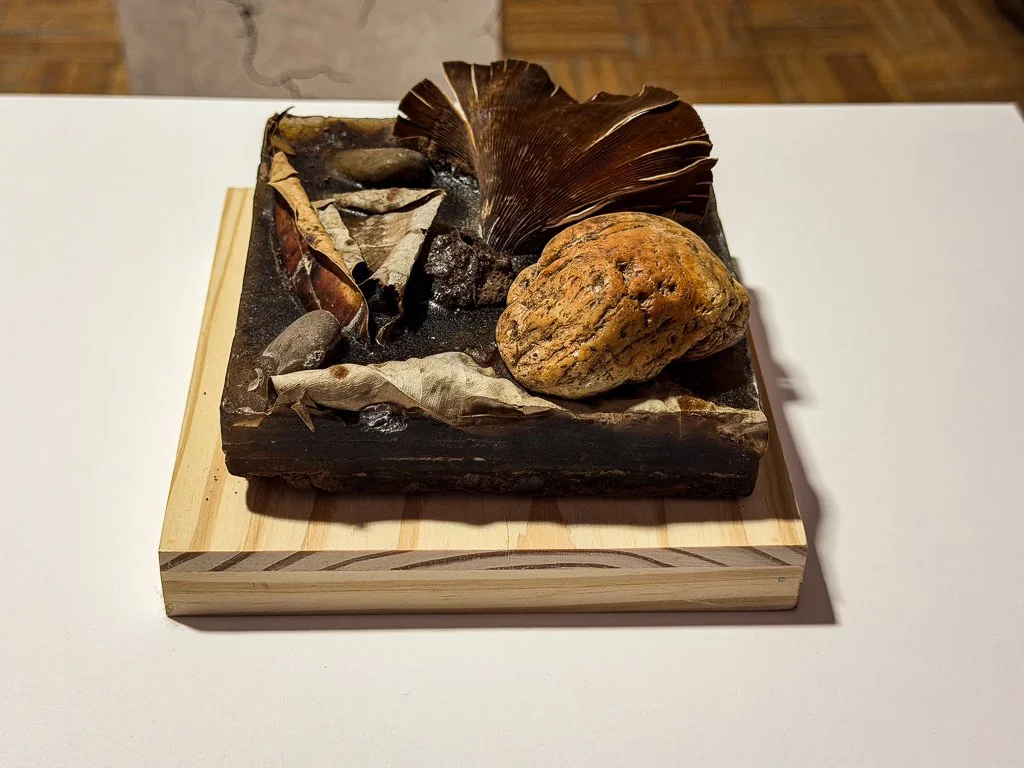
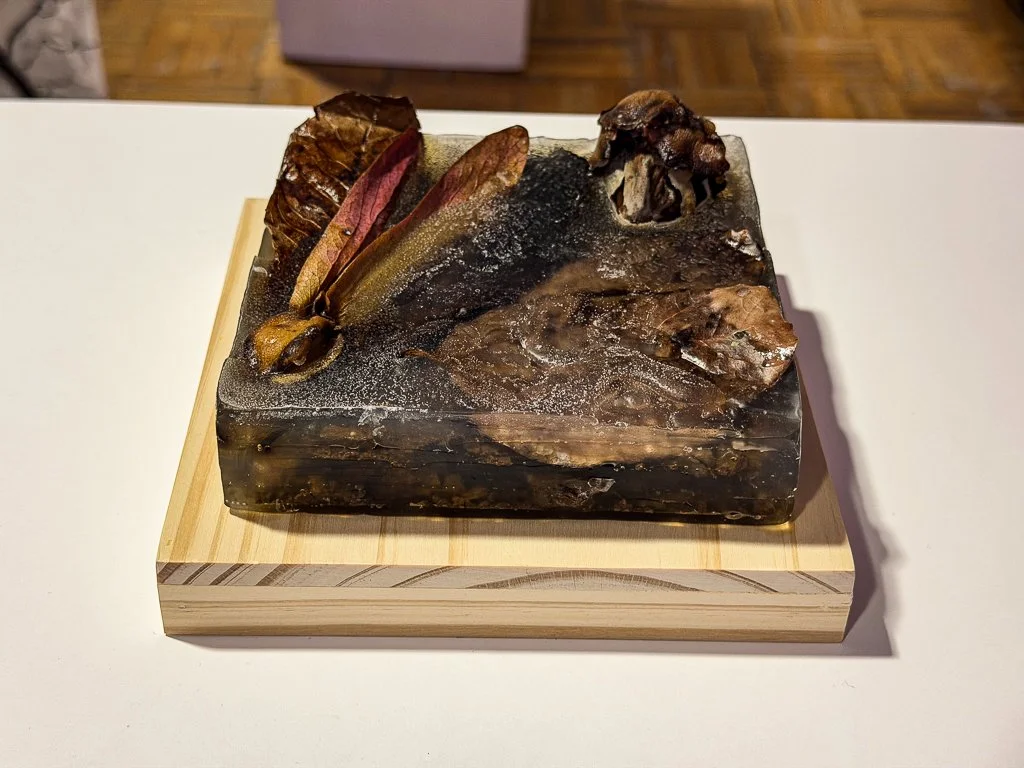
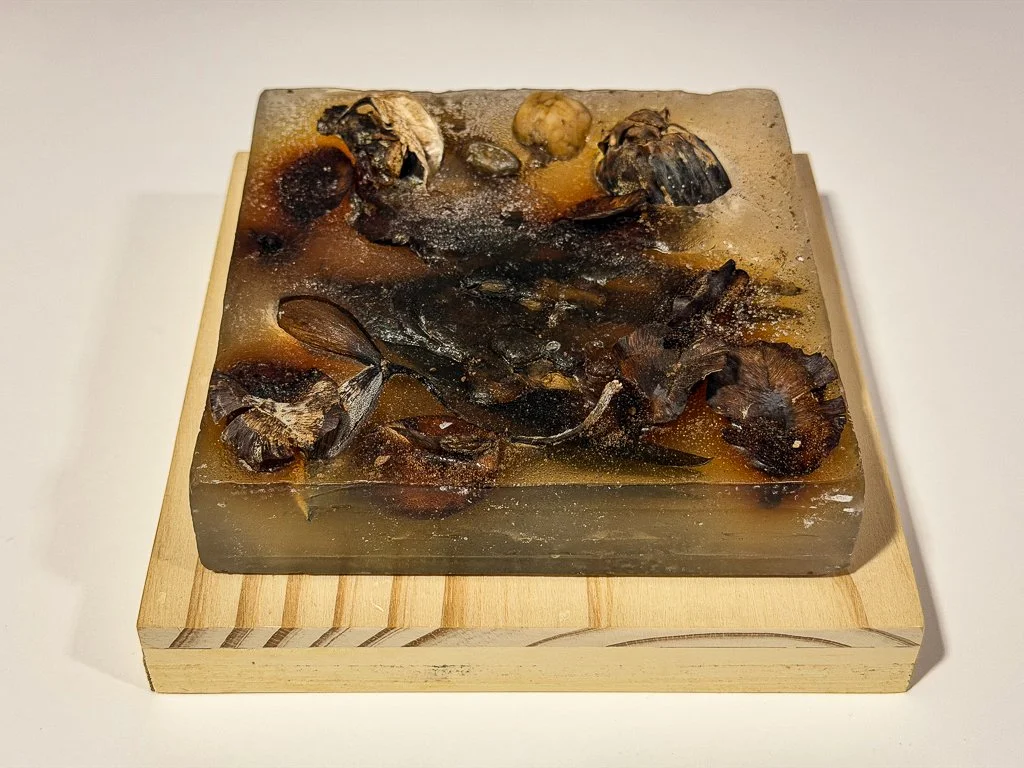
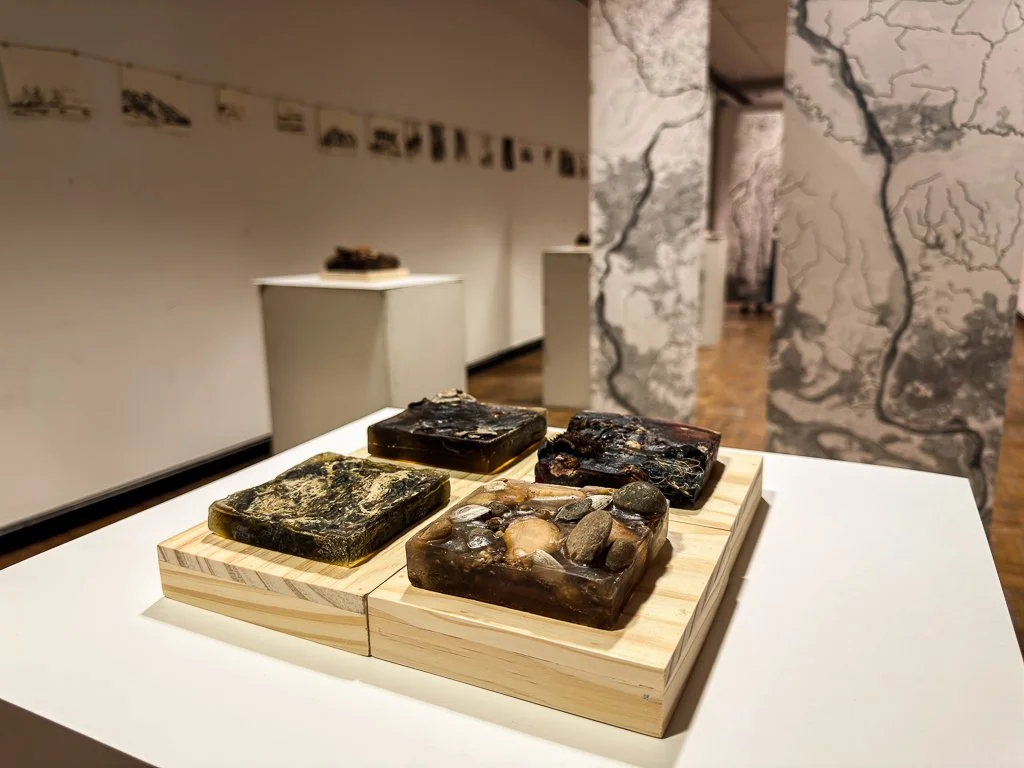
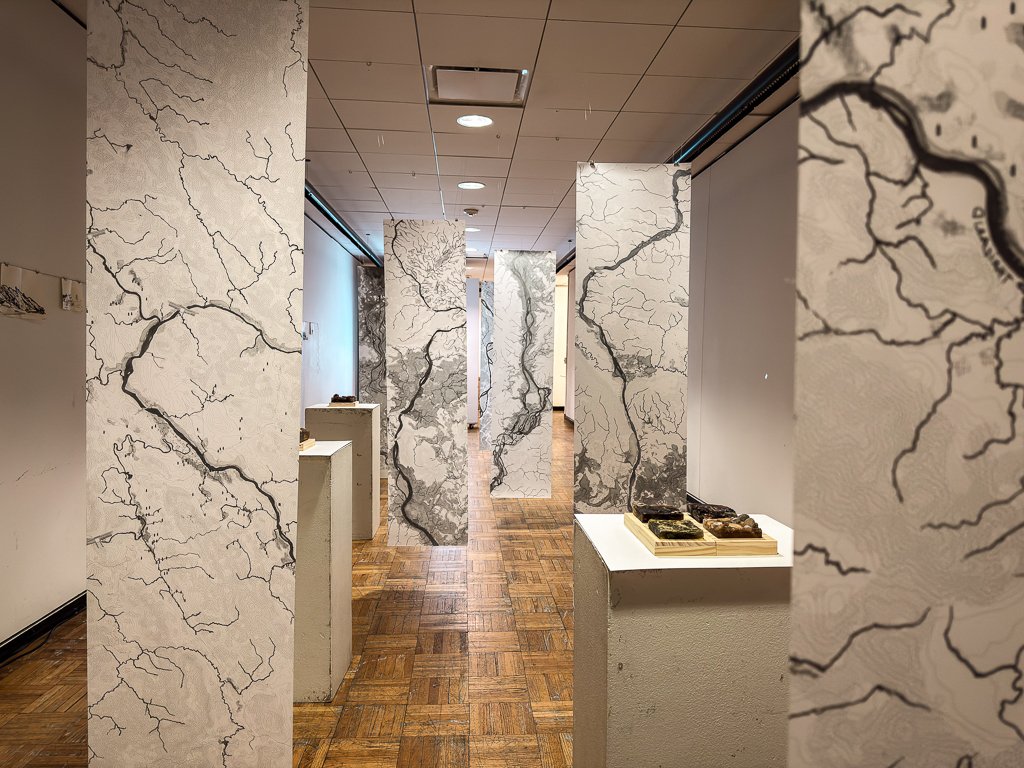
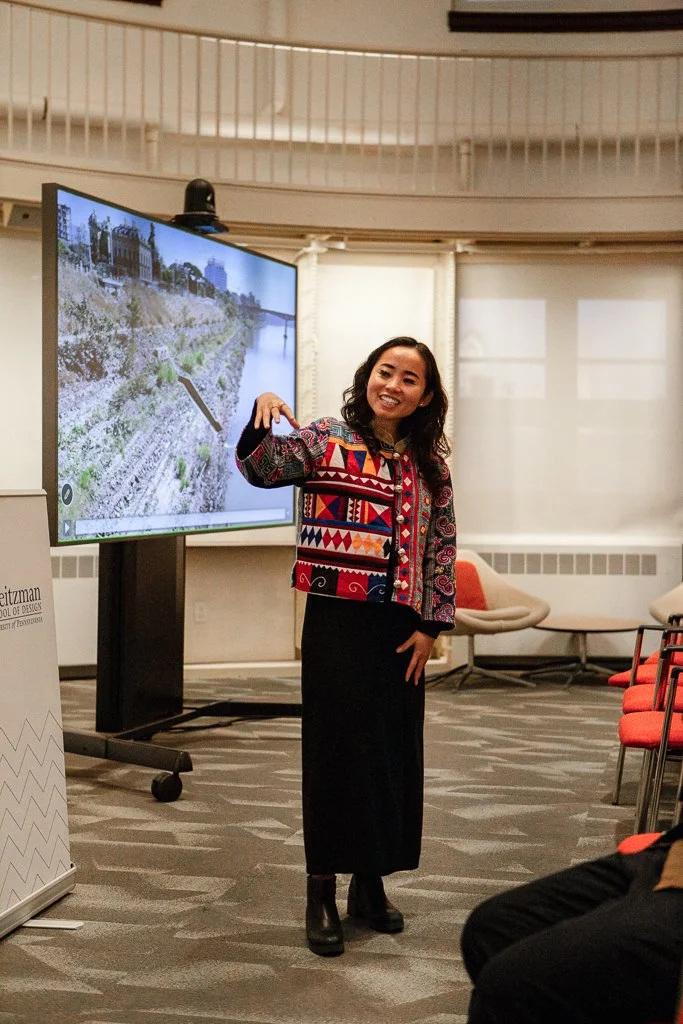
Photo by Megan Singleton
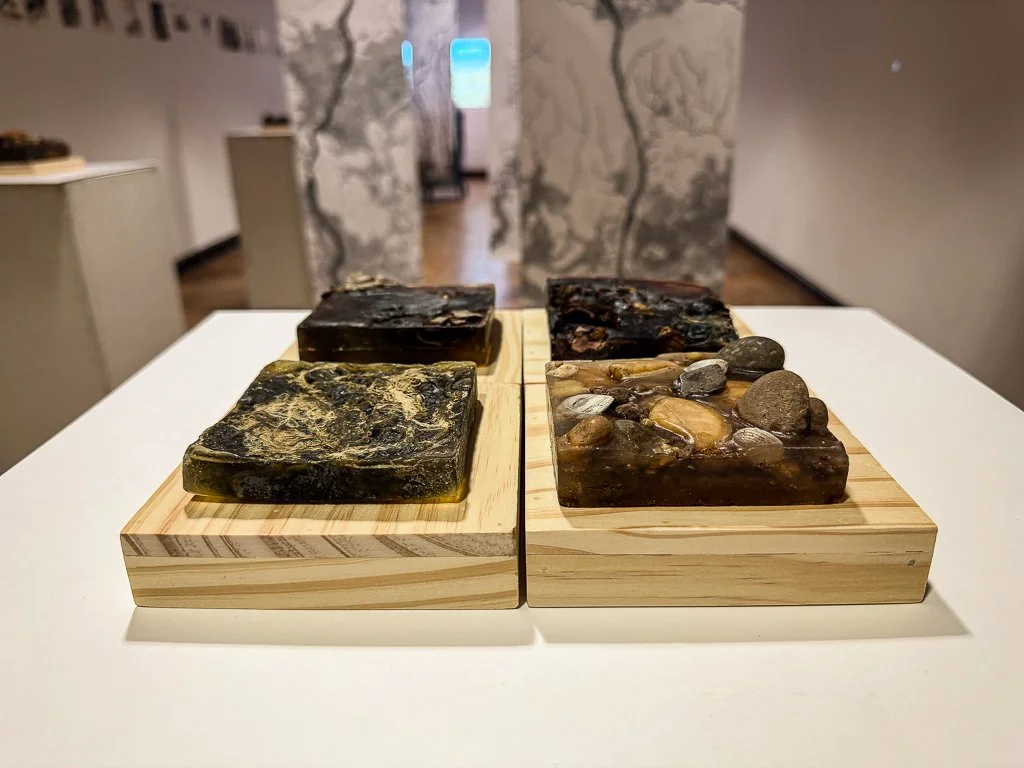
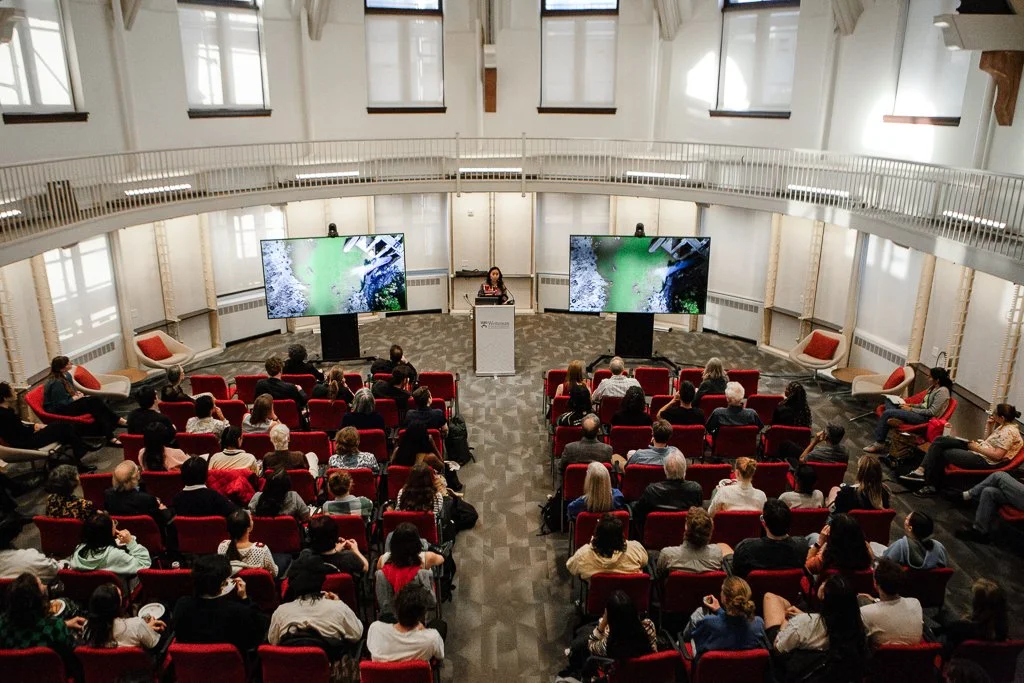
Photo by Megan Singleton